Moulding Dies for Brake Shoes, Disc Pads, Clutch Plates & Clutch shoes
High-performance friction moulding dies are the specialty of JSP Brakes
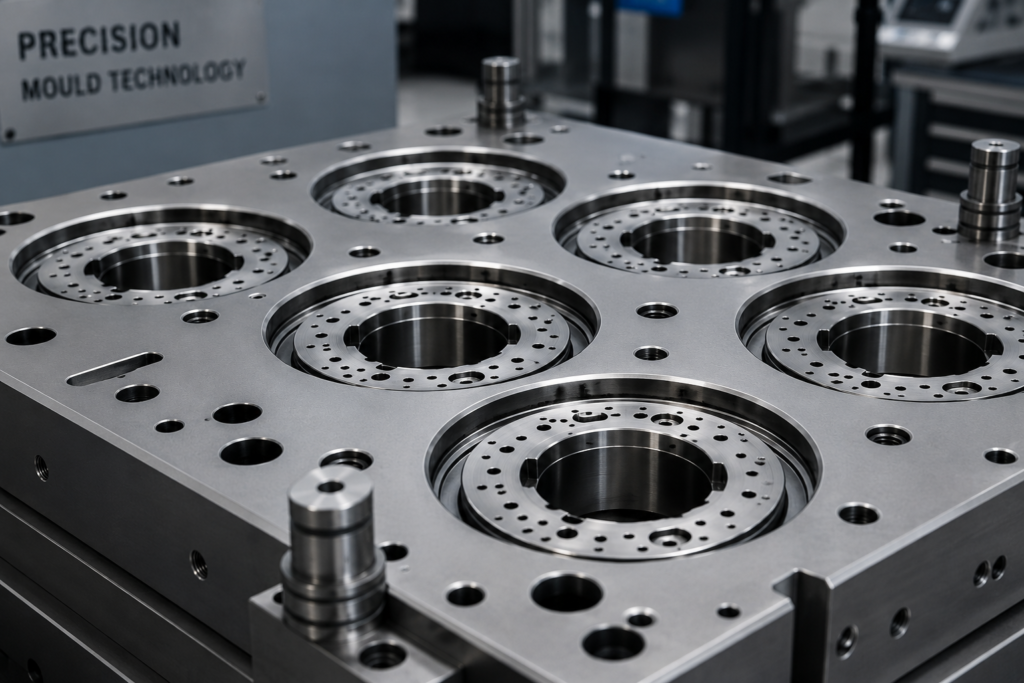
We design and engineer these high-compression hot-curing moulding dies custom-built for embedding specialized friction composite materials onto automotive backing plates and metallic shoes. Operating under intense hydraulic clamping force and high thermal baselines, our friction moulding tools ensure uniform material density and flawless cross-linking of bonding resins.
These specialized tool sets are engineered to neutralize chemical outgassing, completely eliminating structural shearing, micro-fissures, and surface blisters during the high-pressure curing cycle. At JSP Brakes, we combine advanced metallurgical knowledge with precision machining to create dies that withstand extreme industrial conditions. Our focus is to provide tooling solutions that not only enhance the structural integrity of every brake shoe, disc pad, and clutch plate but also significantly reduce material waste and downtime for our clients. By choosing our precision-engineered dies, manufacturers can achieve superior consistency, reliable stopping power, and extended service life in their final automotive components.
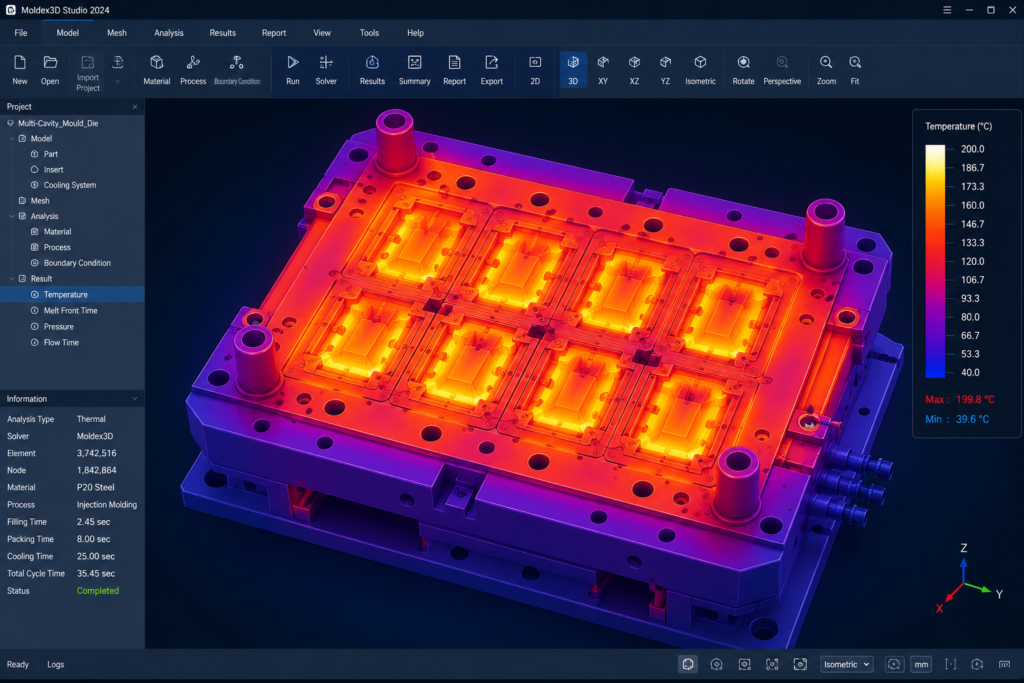
Precision Thermal Mapping & Internal Degassing Networks
Unlike standard casting or sheet metal tools, friction material moulding requires highly uniform heat distribution across the entire surface of the die block. We integrate advanced internal heating channels-utilizing computer-controlled cartridge elements-that maintain a continuous curing window of 150℃ to 180℃ with zero thermal lag. to efficiently evacuate gases released by bonding resins during compression, the die cavities are machined with micro-ground degassing slots. This critical engineering feature prevents structural air pockets and guarantees maximum compound density.
Brake Shoe Assemblies
Engineered with precision curved multi-cavity radius profiles to compress and bond non-asbestos friction linings onto aluminum cores. features custom shear-locking patterns to maximize matrix adhesion under heavy torque.
Disc Pad Compression
Built for automated positive-displacement press lines. Features custom multi-stage punch segments that ensure identical material density distribution across varying friction thicknesses, eliminating irregular wear.
Clutch Shoe Linings
Radial compression tooling segments custom-machined to mold continuous or segmented friction blocks onto clutch weight arms, delivering perfect rotational balance and exact concentricity.
Clutch Plate Heat Dies
High-flatness, high-parallelism circular heating plates designed to cure thin organic friction sheets onto steel clutch cores under continuous hydraulic load, completely eliminating warping or clutch drag.
Metallurgy Built to Resist Chemical Corrosion & Resin Abrasion
Raw friction formulations contain highly abrasive mineral fibers, metallic dust, and aggressive resins that can quickly erode standard tool steels. To combat this heavy wear, JSP Brakes manufactures all moulding die inserts from premium pre-hardened hot-work tool steels that undergo advanced plasma nitriding treatments. This surface engineering doubles the case depth micro-hardness (exceeding 65 HRC equivalent), preventing material scoring and friction washouts while maintaining core toughness for cyclic hydraulic clamping.
Shear Force Validation
Tooling tolerances designed to consistently exceed international OEM minium pad-to-metal shear test standards.
Sub-Micron Parallelism
Cavity depths micro-audited down to sub-micron accuracy using electronic dial gauges to ensure a completely flat friction surface.
Resin Vent
Audit
Vacuum testing of integrated degassing channels to ensure zero blockage from continuous compound overflow flash.
Ejection Pin
Layout
Strategic stripper pin configurations optimized for high-speed automated parts extraction without chipping raw cured edges.
Operational Tool Testing under Real Production Profiles
Every friction moulding die built in our facility undergoes rigorous operational benchmarking before final handover. We mount the completed tooling onto our specialized in-house hydraulic hot-press test beds to run production simulation batches using real-world compound formulations. This step allows us to optimize cure times, audit compound flow behavior, and verify the physical bond strenght, ensuring the die runs seamlessly with minimal scrap rates from the very first stroke on your production floor.
Upgrade Your Friction Line with High-Yield Tooling
Investing in high-performance friction moulding dies is crucial for maintaining structural integrity and reducing long-term manufacturing waste.
High-Performance Friction Moulding Dies High-Performance Friction Moulding Dies High-Performance Friction Moulding Dies High-Performance Friction Moulding Dies High-Performance Friction Moulding Dies